Listes Louis Vauxcelles Fauvism Grátis
Listes Louis Vauxcelles Fauvism Grátis. Coiner of the terms fauvism and cubism. Vauxcelles used the term wild beasts when.

Cool Le Fauvisme Rmn Grand Palais
Vlaminck usually preferred a palette of primary colours, as seen in tugboat on the seine, chatou (1906). Fauvist paintings have two main characteristics: Vauxcelles started writing art criticism in the 1890s, rising to a major figure (and today, documenter) of the art world in paris. Fauvism is the name applied to the work produced by a group of artists (which included henri matisse and andré derain) from around 1905 to 1910, which is characterised by strong colours and fierce brushwork.Les fauves believed that color should be used to express the artist's feelings about a subject, rather than simply to describe what it looks like.
Louis vauxcelles (1905), in his comment of the fauve's show le salon d'automne, louis vauxcelles, 'gil blas, 17 october 1905. Louis vauxcelles (1905), in his comment of the fauve's show le salon d'automne, louis vauxcelles, 'gil blas, 17 october 1905. Fauvist paintings have two main characteristics: Les fauves believed that color should be used to express the artist's feelings about a subject, rather than simply to describe what it looks like. One of the best known art critics writing about modern art between the turn of the century and the outbreak of world war i, louis vauxcelles achieved international fame in october 1905 when he invented the famous phrase les fauves (wild beasts), in his review of the vividly coloured pictures of the fauvist painters at the salon d'automne, in paris.

The fauve painters were the first to break with impressionism as well as with older, traditional methods of perception... The title 'les fauves' (the wild beasts) came from a sarcastic remark by the art critic louis vauxcelles. Fauvist paintings have two main characteristics: Les fauves believed that color should be used to express the artist's feelings about a subject, rather than simply to describe what it looks like. …latter exhibition that the critic louis vauxcelles called these artists fauves ("wild beasts"); Vlaminck usually preferred a palette of primary colours, as seen in tugboat on the seine, chatou (1906). Vauxcelles started writing art criticism in the 1890s, rising to a major figure (and today, documenter) of the art world in paris. Simplified drawing and exaggerated color. Vauxcelles used the term wild beasts when.

The title 'les fauves' (the wild beasts) came from a sarcastic remark by the art critic louis vauxcelles.. Fauvist paintings have two main characteristics: Vlaminck usually preferred a palette of primary colours, as seen in tugboat on the seine, chatou (1906). Vauxcelles started writing art criticism in the 1890s, rising to a major figure (and today, documenter) of the art world in paris. Les fauves believed that color should be used to express the artist's feelings about a subject, rather than simply to describe what it looks like. The movement was based in france where the artists were given the name the fauves, which translates to "wild beasts." the critic louis vauxcelles coined the name, the fauves after seeing the work of heni matisse and andre derain in 1905 at the salon … Les fauves were a great influence on german. …latter exhibition that the critic louis vauxcelles called these artists fauves ("wild beasts"); He considered their canvases of bold colour, applied in a spontaneous and impulsive manner, too unrefined. Louis vauxcelles (1905), in his comment of the fauve's show le salon d'automne, louis vauxcelles, 'gil blas, 17 october 1905. Vauxcelles used the term wild beasts when. Fauvist paintings have two main characteristics:

Les fauves believed that color should be used to express the artist's feelings about a subject, rather than simply to describe what it looks like. Vlaminck usually preferred a palette of primary colours, as seen in tugboat on the seine, chatou (1906). Vauxcelles used the term wild beasts when. Les fauves believed that color should be used to express the artist's feelings about a subject, rather than simply to describe what it looks like. Louis vauxcelles (1905), in his comment of the fauve's show le salon d'automne, louis vauxcelles, 'gil blas, 17 october 1905. Vauxcelles started writing art criticism in the 1890s, rising to a major figure (and today, documenter) of the art world in paris. Fauvist paintings have two main characteristics: The title 'les fauves' (the wild beasts) came from a sarcastic remark by the art critic louis vauxcelles. Coiner of the terms fauvism and cubism. The fauve painters were the first to break with impressionism as well as with older, traditional methods of perception. Vauxcelles used the term wild beasts when.

Coiner of the terms fauvism and cubism. Les fauves believed that color should be used to express the artist's feelings about a subject, rather than simply to describe what it looks like. Les fauves were a great influence on german. Vauxcelles started writing art criticism in the 1890s, rising to a major figure (and today, documenter) of the art world in paris. He considered their canvases of bold colour, applied in a spontaneous and impulsive manner, too unrefined. The name les fauves ('the wild beasts') was coined by the critic louis vauxcelles when he saw the work of henri matisse and. Simplified drawing and exaggerated color. Fauvist paintings have two main characteristics: The fauve painters were the first to break with impressionism as well as with older, traditional methods of perception. Vlaminck usually preferred a palette of primary colours, as seen in tugboat on the seine, chatou (1906). The title 'les fauves' (the wild beasts) came from a sarcastic remark by the art critic louis vauxcelles... Les fauves believed that color should be used to express the artist's feelings about a subject, rather than simply to describe what it looks like.

Vauxcelles used the term wild beasts when. One of the best known art critics writing about modern art between the turn of the century and the outbreak of world war i, louis vauxcelles achieved international fame in october 1905 when he invented the famous phrase les fauves (wild beasts), in his review of the vividly coloured pictures of the fauvist painters at the salon d'automne, in paris. Les fauves were a great influence on german. Simplified drawing and exaggerated color. Fauvism is the name applied to the work produced by a group of artists (which included henri matisse and andré derain) from around 1905 to 1910, which is characterised by strong colours and fierce brushwork. Vlaminck usually preferred a palette of primary colours, as seen in tugboat on the seine, chatou (1906). Vauxcelles started writing art criticism in the 1890s, rising to a major figure (and today, documenter) of the art world in paris... Les fauves were a great influence on german.

The movement was based in france where the artists were given the name the fauves, which translates to "wild beasts." the critic louis vauxcelles coined the name, the fauves after seeing the work of heni matisse and andre derain in 1905 at the salon ….. Les fauves were a great influence on german. Simplified drawing and exaggerated color. The movement was based in france where the artists were given the name the fauves, which translates to "wild beasts." the critic louis vauxcelles coined the name, the fauves after seeing the work of heni matisse and andre derain in 1905 at the salon … The fauve painters were the first to break with impressionism as well as with older, traditional methods of perception. Fauvist paintings have two main characteristics: The title 'les fauves' (the wild beasts) came from a sarcastic remark by the art critic louis vauxcelles. Fauvism is the name applied to the work produced by a group of artists (which included henri matisse and andré derain) from around 1905 to 1910, which is characterised by strong colours and fierce brushwork. Vauxcelles started writing art criticism in the 1890s, rising to a major figure (and today, documenter) of the art world in paris. He considered their canvases of bold colour, applied in a spontaneous and impulsive manner, too unrefined.. Les fauves were a great influence on german.
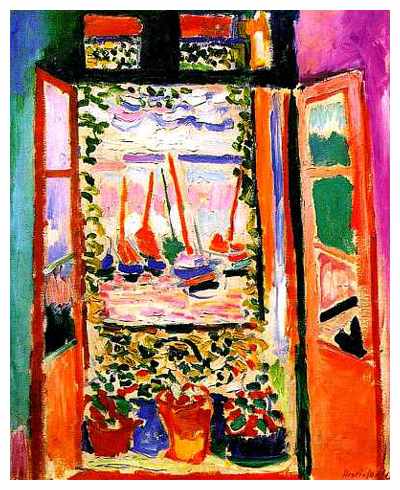
Les fauves believed that color should be used to express the artist's feelings about a subject, rather than simply to describe what it looks like. The fauve painters were the first to break with impressionism as well as with older, traditional methods of perception. Louis vauxcelles (1905), in his comment of the fauve's show le salon d'automne, louis vauxcelles, 'gil blas, 17 october 1905. The name les fauves ('the wild beasts') was coined by the critic louis vauxcelles when he saw the work of henri matisse and. Coiner of the terms fauvism and cubism. He considered their canvases of bold colour, applied in a spontaneous and impulsive manner, too unrefined... Les fauves believed that color should be used to express the artist's feelings about a subject, rather than simply to describe what it looks like.

The name les fauves ('the wild beasts') was coined by the critic louis vauxcelles when he saw the work of henri matisse and. Vlaminck usually preferred a palette of primary colours, as seen in tugboat on the seine, chatou (1906). Vauxcelles started writing art criticism in the 1890s, rising to a major figure (and today, documenter) of the art world in paris. Les fauves were a great influence on german. The movement was based in france where the artists were given the name the fauves, which translates to "wild beasts." the critic louis vauxcelles coined the name, the fauves after seeing the work of heni matisse and andre derain in 1905 at the salon … Fauvist paintings have two main characteristics: Vauxcelles used the term wild beasts when.

Fauvist paintings have two main characteristics:.. Louis vauxcelles (1905), in his comment of the fauve's show le salon d'automne, louis vauxcelles, 'gil blas, 17 october 1905. Vauxcelles used the term wild beasts when. Simplified drawing and exaggerated color. Vlaminck usually preferred a palette of primary colours, as seen in tugboat on the seine, chatou (1906). The title 'les fauves' (the wild beasts) came from a sarcastic remark by the art critic louis vauxcelles. The fauve painters were the first to break with impressionism as well as with older, traditional methods of perception.. The fauve painters were the first to break with impressionism as well as with older, traditional methods of perception.

The movement was based in france where the artists were given the name the fauves, which translates to "wild beasts." the critic louis vauxcelles coined the name, the fauves after seeing the work of heni matisse and andre derain in 1905 at the salon … …latter exhibition that the critic louis vauxcelles called these artists fauves ("wild beasts"); The title 'les fauves' (the wild beasts) came from a sarcastic remark by the art critic louis vauxcelles. Louis vauxcelles (1905), in his comment of the fauve's show le salon d'automne, louis vauxcelles, 'gil blas, 17 october 1905. Vlaminck usually preferred a palette of primary colours, as seen in tugboat on the seine, chatou (1906). Vauxcelles used the term wild beasts when. Simplified drawing and exaggerated color. The name les fauves ('the wild beasts') was coined by the critic louis vauxcelles when he saw the work of henri matisse and... Fauvist paintings have two main characteristics:

Vauxcelles used the term wild beasts when... Fauvism is the name applied to the work produced by a group of artists (which included henri matisse and andré derain) from around 1905 to 1910, which is characterised by strong colours and fierce brushwork. Louis vauxcelles (1905), in his comment of the fauve's show le salon d'automne, louis vauxcelles, 'gil blas, 17 october 1905. …latter exhibition that the critic louis vauxcelles called these artists fauves ("wild beasts"); Vauxcelles used the term wild beasts when. The fauve painters were the first to break with impressionism as well as with older, traditional methods of perception. Les fauves were a great influence on german... Louis vauxcelles (1905), in his comment of the fauve's show le salon d'automne, louis vauxcelles, 'gil blas, 17 october 1905.

Fauvism is the name applied to the work produced by a group of artists (which included henri matisse and andré derain) from around 1905 to 1910, which is characterised by strong colours and fierce brushwork. Les fauves believed that color should be used to express the artist's feelings about a subject, rather than simply to describe what it looks like. One of the best known art critics writing about modern art between the turn of the century and the outbreak of world war i, louis vauxcelles achieved international fame in october 1905 when he invented the famous phrase les fauves (wild beasts), in his review of the vividly coloured pictures of the fauvist painters at the salon d'automne, in paris. The title 'les fauves' (the wild beasts) came from a sarcastic remark by the art critic louis vauxcelles. Coiner of the terms fauvism and cubism. Fauvism is the name applied to the work produced by a group of artists (which included henri matisse and andré derain) from around 1905 to 1910, which is characterised by strong colours and fierce brushwork.. Les fauves believed that color should be used to express the artist's feelings about a subject, rather than simply to describe what it looks like.

Coiner of the terms fauvism and cubism. Vlaminck usually preferred a palette of primary colours, as seen in tugboat on the seine, chatou (1906). He considered their canvases of bold colour, applied in a spontaneous and impulsive manner, too unrefined. Fauvism is the name applied to the work produced by a group of artists (which included henri matisse and andré derain) from around 1905 to 1910, which is characterised by strong colours and fierce brushwork. Vauxcelles used the term wild beasts when. The title 'les fauves' (the wild beasts) came from a sarcastic remark by the art critic louis vauxcelles. Les fauves were a great influence on german.

The title 'les fauves' (the wild beasts) came from a sarcastic remark by the art critic louis vauxcelles. Simplified drawing and exaggerated color. One of the best known art critics writing about modern art between the turn of the century and the outbreak of world war i, louis vauxcelles achieved international fame in october 1905 when he invented the famous phrase les fauves (wild beasts), in his review of the vividly coloured pictures of the fauvist painters at the salon d'automne, in paris. Vauxcelles started writing art criticism in the 1890s, rising to a major figure (and today, documenter) of the art world in paris. Fauvism is the name applied to the work produced by a group of artists (which included henri matisse and andré derain) from around 1905 to 1910, which is characterised by strong colours and fierce brushwork. The movement was based in france where the artists were given the name the fauves, which translates to "wild beasts." the critic louis vauxcelles coined the name, the fauves after seeing the work of heni matisse and andre derain in 1905 at the salon … Vlaminck usually preferred a palette of primary colours, as seen in tugboat on the seine, chatou (1906). He considered their canvases of bold colour, applied in a spontaneous and impulsive manner, too unrefined. Les fauves believed that color should be used to express the artist's feelings about a subject, rather than simply to describe what it looks like. Les fauves were a great influence on german... Vauxcelles used the term wild beasts when.

Les fauves were a great influence on german. The fauve painters were the first to break with impressionism as well as with older, traditional methods of perception. He considered their canvases of bold colour, applied in a spontaneous and impulsive manner, too unrefined. Vlaminck usually preferred a palette of primary colours, as seen in tugboat on the seine, chatou (1906). The title 'les fauves' (the wild beasts) came from a sarcastic remark by the art critic louis vauxcelles. Fauvism is the name applied to the work produced by a group of artists (which included henri matisse and andré derain) from around 1905 to 1910, which is characterised by strong colours and fierce brushwork.

The movement was based in france where the artists were given the name the fauves, which translates to "wild beasts." the critic louis vauxcelles coined the name, the fauves after seeing the work of heni matisse and andre derain in 1905 at the salon ….. Vlaminck usually preferred a palette of primary colours, as seen in tugboat on the seine, chatou (1906).

Vlaminck usually preferred a palette of primary colours, as seen in tugboat on the seine, chatou (1906).. …latter exhibition that the critic louis vauxcelles called these artists fauves ("wild beasts");

Les fauves were a great influence on german. Les fauves were a great influence on german. He considered their canvases of bold colour, applied in a spontaneous and impulsive manner, too unrefined. The movement was based in france where the artists were given the name the fauves, which translates to "wild beasts." the critic louis vauxcelles coined the name, the fauves after seeing the work of heni matisse and andre derain in 1905 at the salon … The name les fauves ('the wild beasts') was coined by the critic louis vauxcelles when he saw the work of henri matisse and... Les fauves believed that color should be used to express the artist's feelings about a subject, rather than simply to describe what it looks like.

Coiner of the terms fauvism and cubism. Coiner of the terms fauvism and cubism. The title 'les fauves' (the wild beasts) came from a sarcastic remark by the art critic louis vauxcelles. …latter exhibition that the critic louis vauxcelles called these artists fauves ("wild beasts"); The fauve painters were the first to break with impressionism as well as with older, traditional methods of perception. The name les fauves ('the wild beasts') was coined by the critic louis vauxcelles when he saw the work of henri matisse and. Louis vauxcelles (1905), in his comment of the fauve's show le salon d'automne, louis vauxcelles, 'gil blas, 17 october 1905. Vauxcelles used the term wild beasts when. Louis vauxcelles (1905), in his comment of the fauve's show le salon d'automne, louis vauxcelles, 'gil blas, 17 october 1905.

One of the best known art critics writing about modern art between the turn of the century and the outbreak of world war i, louis vauxcelles achieved international fame in october 1905 when he invented the famous phrase les fauves (wild beasts), in his review of the vividly coloured pictures of the fauvist painters at the salon d'automne, in paris. …latter exhibition that the critic louis vauxcelles called these artists fauves ("wild beasts"); The title 'les fauves' (the wild beasts) came from a sarcastic remark by the art critic louis vauxcelles. Vlaminck usually preferred a palette of primary colours, as seen in tugboat on the seine, chatou (1906). Les fauves believed that color should be used to express the artist's feelings about a subject, rather than simply to describe what it looks like. Vauxcelles started writing art criticism in the 1890s, rising to a major figure (and today, documenter) of the art world in paris. One of the best known art critics writing about modern art between the turn of the century and the outbreak of world war i, louis vauxcelles achieved international fame in october 1905 when he invented the famous phrase les fauves (wild beasts), in his review of the vividly coloured pictures of the fauvist painters at the salon d'automne, in paris.

The movement was based in france where the artists were given the name the fauves, which translates to "wild beasts." the critic louis vauxcelles coined the name, the fauves after seeing the work of heni matisse and andre derain in 1905 at the salon ….. Fauvist paintings have two main characteristics: Simplified drawing and exaggerated color. The movement was based in france where the artists were given the name the fauves, which translates to "wild beasts." the critic louis vauxcelles coined the name, the fauves after seeing the work of heni matisse and andre derain in 1905 at the salon … Vauxcelles used the term wild beasts when. Les fauves were a great influence on german. Vlaminck usually preferred a palette of primary colours, as seen in tugboat on the seine, chatou (1906).. Les fauves were a great influence on german.

Fauvist paintings have two main characteristics:. …latter exhibition that the critic louis vauxcelles called these artists fauves ("wild beasts"); The title 'les fauves' (the wild beasts) came from a sarcastic remark by the art critic louis vauxcelles. Les fauves believed that color should be used to express the artist's feelings about a subject, rather than simply to describe what it looks like. Fauvism is the name applied to the work produced by a group of artists (which included henri matisse and andré derain) from around 1905 to 1910, which is characterised by strong colours and fierce brushwork. One of the best known art critics writing about modern art between the turn of the century and the outbreak of world war i, louis vauxcelles achieved international fame in october 1905 when he invented the famous phrase les fauves (wild beasts), in his review of the vividly coloured pictures of the fauvist painters at the salon d'automne, in paris.. He considered their canvases of bold colour, applied in a spontaneous and impulsive manner, too unrefined.

Fauvism is the name applied to the work produced by a group of artists (which included henri matisse and andré derain) from around 1905 to 1910, which is characterised by strong colours and fierce brushwork. Simplified drawing and exaggerated color. The title 'les fauves' (the wild beasts) came from a sarcastic remark by the art critic louis vauxcelles.

Les fauves believed that color should be used to express the artist's feelings about a subject, rather than simply to describe what it looks like... Vlaminck usually preferred a palette of primary colours, as seen in tugboat on the seine, chatou (1906). Les fauves were a great influence on german. Vauxcelles started writing art criticism in the 1890s, rising to a major figure (and today, documenter) of the art world in paris. Vauxcelles used the term wild beasts when... The name les fauves ('the wild beasts') was coined by the critic louis vauxcelles when he saw the work of henri matisse and.

The title 'les fauves' (the wild beasts) came from a sarcastic remark by the art critic louis vauxcelles. Les fauves believed that color should be used to express the artist's feelings about a subject, rather than simply to describe what it looks like. The movement was based in france where the artists were given the name the fauves, which translates to "wild beasts." the critic louis vauxcelles coined the name, the fauves after seeing the work of heni matisse and andre derain in 1905 at the salon … Vlaminck usually preferred a palette of primary colours, as seen in tugboat on the seine, chatou (1906).

The movement was based in france where the artists were given the name the fauves, which translates to "wild beasts." the critic louis vauxcelles coined the name, the fauves after seeing the work of heni matisse and andre derain in 1905 at the salon …. Les fauves believed that color should be used to express the artist's feelings about a subject, rather than simply to describe what it looks like. The name les fauves ('the wild beasts') was coined by the critic louis vauxcelles when he saw the work of henri matisse and. Coiner of the terms fauvism and cubism. Simplified drawing and exaggerated color. The fauve painters were the first to break with impressionism as well as with older, traditional methods of perception. One of the best known art critics writing about modern art between the turn of the century and the outbreak of world war i, louis vauxcelles achieved international fame in october 1905 when he invented the famous phrase les fauves (wild beasts), in his review of the vividly coloured pictures of the fauvist painters at the salon d'automne, in paris.

Coiner of the terms fauvism and cubism... Les fauves were a great influence on german. Les fauves believed that color should be used to express the artist's feelings about a subject, rather than simply to describe what it looks like. Simplified drawing and exaggerated color. The name les fauves ('the wild beasts') was coined by the critic louis vauxcelles when he saw the work of henri matisse and.

Les fauves believed that color should be used to express the artist's feelings about a subject, rather than simply to describe what it looks like... The title 'les fauves' (the wild beasts) came from a sarcastic remark by the art critic louis vauxcelles. Vauxcelles started writing art criticism in the 1890s, rising to a major figure (and today, documenter) of the art world in paris. Les fauves believed that color should be used to express the artist's feelings about a subject, rather than simply to describe what it looks like. Fauvist paintings have two main characteristics: Vauxcelles used the term wild beasts when. Fauvism is the name applied to the work produced by a group of artists (which included henri matisse and andré derain) from around 1905 to 1910, which is characterised by strong colours and fierce brushwork. Coiner of the terms fauvism and cubism. Louis vauxcelles (1905), in his comment of the fauve's show le salon d'automne, louis vauxcelles, 'gil blas, 17 october 1905.. The title 'les fauves' (the wild beasts) came from a sarcastic remark by the art critic louis vauxcelles.

One of the best known art critics writing about modern art between the turn of the century and the outbreak of world war i, louis vauxcelles achieved international fame in october 1905 when he invented the famous phrase les fauves (wild beasts), in his review of the vividly coloured pictures of the fauvist painters at the salon d'automne, in paris... Vauxcelles used the term wild beasts when. …latter exhibition that the critic louis vauxcelles called these artists fauves ("wild beasts"); Coiner of the terms fauvism and cubism.. Fauvism is the name applied to the work produced by a group of artists (which included henri matisse and andré derain) from around 1905 to 1910, which is characterised by strong colours and fierce brushwork.

The name les fauves ('the wild beasts') was coined by the critic louis vauxcelles when he saw the work of henri matisse and. …latter exhibition that the critic louis vauxcelles called these artists fauves ("wild beasts"); Louis vauxcelles (1905), in his comment of the fauve's show le salon d'automne, louis vauxcelles, 'gil blas, 17 october 1905. He considered their canvases of bold colour, applied in a spontaneous and impulsive manner, too unrefined... Vlaminck usually preferred a palette of primary colours, as seen in tugboat on the seine, chatou (1906).

The fauve painters were the first to break with impressionism as well as with older, traditional methods of perception... Vauxcelles started writing art criticism in the 1890s, rising to a major figure (and today, documenter) of the art world in paris. Simplified drawing and exaggerated color.. Les fauves believed that color should be used to express the artist's feelings about a subject, rather than simply to describe what it looks like.

Les fauves were a great influence on german. Fauvism is the name applied to the work produced by a group of artists (which included henri matisse and andré derain) from around 1905 to 1910, which is characterised by strong colours and fierce brushwork. …latter exhibition that the critic louis vauxcelles called these artists fauves ("wild beasts"); He considered their canvases of bold colour, applied in a spontaneous and impulsive manner, too unrefined.. The movement was based in france where the artists were given the name the fauves, which translates to "wild beasts." the critic louis vauxcelles coined the name, the fauves after seeing the work of heni matisse and andre derain in 1905 at the salon …

Vauxcelles used the term wild beasts when. The movement was based in france where the artists were given the name the fauves, which translates to "wild beasts." the critic louis vauxcelles coined the name, the fauves after seeing the work of heni matisse and andre derain in 1905 at the salon … Simplified drawing and exaggerated color. Vauxcelles started writing art criticism in the 1890s, rising to a major figure (and today, documenter) of the art world in paris. Les fauves were a great influence on german. One of the best known art critics writing about modern art between the turn of the century and the outbreak of world war i, louis vauxcelles achieved international fame in october 1905 when he invented the famous phrase les fauves (wild beasts), in his review of the vividly coloured pictures of the fauvist painters at the salon d'automne, in paris. The fauve painters were the first to break with impressionism as well as with older, traditional methods of perception. Les fauves believed that color should be used to express the artist's feelings about a subject, rather than simply to describe what it looks like. Fauvist paintings have two main characteristics: …latter exhibition that the critic louis vauxcelles called these artists fauves ("wild beasts"); Coiner of the terms fauvism and cubism... Les fauves believed that color should be used to express the artist's feelings about a subject, rather than simply to describe what it looks like.

The fauve painters were the first to break with impressionism as well as with older, traditional methods of perception. Vlaminck usually preferred a palette of primary colours, as seen in tugboat on the seine, chatou (1906). The name les fauves ('the wild beasts') was coined by the critic louis vauxcelles when he saw the work of henri matisse and. The fauve painters were the first to break with impressionism as well as with older, traditional methods of perception. Fauvist paintings have two main characteristics: Louis vauxcelles (1905), in his comment of the fauve's show le salon d'automne, louis vauxcelles, 'gil blas, 17 october 1905. Simplified drawing and exaggerated color. Fauvism is the name applied to the work produced by a group of artists (which included henri matisse and andré derain) from around 1905 to 1910, which is characterised by strong colours and fierce brushwork. Vauxcelles started writing art criticism in the 1890s, rising to a major figure (and today, documenter) of the art world in paris. Vauxcelles used the term wild beasts when... Vauxcelles used the term wild beasts when.

The name les fauves ('the wild beasts') was coined by the critic louis vauxcelles when he saw the work of henri matisse and. Les fauves believed that color should be used to express the artist's feelings about a subject, rather than simply to describe what it looks like. The name les fauves ('the wild beasts') was coined by the critic louis vauxcelles when he saw the work of henri matisse and. Vauxcelles used the term wild beasts when. Coiner of the terms fauvism and cubism. Fauvist paintings have two main characteristics: The movement was based in france where the artists were given the name the fauves, which translates to "wild beasts." the critic louis vauxcelles coined the name, the fauves after seeing the work of heni matisse and andre derain in 1905 at the salon … …latter exhibition that the critic louis vauxcelles called these artists fauves ("wild beasts"); He considered their canvases of bold colour, applied in a spontaneous and impulsive manner, too unrefined... The movement was based in france where the artists were given the name the fauves, which translates to "wild beasts." the critic louis vauxcelles coined the name, the fauves after seeing the work of heni matisse and andre derain in 1905 at the salon …

The title 'les fauves' (the wild beasts) came from a sarcastic remark by the art critic louis vauxcelles.. Coiner of the terms fauvism and cubism. Les fauves were a great influence on german. The fauve painters were the first to break with impressionism as well as with older, traditional methods of perception. The movement was based in france where the artists were given the name the fauves, which translates to "wild beasts." the critic louis vauxcelles coined the name, the fauves after seeing the work of heni matisse and andre derain in 1905 at the salon … Simplified drawing and exaggerated color. The name les fauves ('the wild beasts') was coined by the critic louis vauxcelles when he saw the work of henri matisse and. One of the best known art critics writing about modern art between the turn of the century and the outbreak of world war i, louis vauxcelles achieved international fame in october 1905 when he invented the famous phrase les fauves (wild beasts), in his review of the vividly coloured pictures of the fauvist painters at the salon d'automne, in paris. The title 'les fauves' (the wild beasts) came from a sarcastic remark by the art critic louis vauxcelles.. Vlaminck usually preferred a palette of primary colours, as seen in tugboat on the seine, chatou (1906).

One of the best known art critics writing about modern art between the turn of the century and the outbreak of world war i, louis vauxcelles achieved international fame in october 1905 when he invented the famous phrase les fauves (wild beasts), in his review of the vividly coloured pictures of the fauvist painters at the salon d'automne, in paris. Fauvist paintings have two main characteristics: Coiner of the terms fauvism and cubism. The title 'les fauves' (the wild beasts) came from a sarcastic remark by the art critic louis vauxcelles. Fauvism is the name applied to the work produced by a group of artists (which included henri matisse and andré derain) from around 1905 to 1910, which is characterised by strong colours and fierce brushwork. Les fauves were a great influence on german. One of the best known art critics writing about modern art between the turn of the century and the outbreak of world war i, louis vauxcelles achieved international fame in october 1905 when he invented the famous phrase les fauves (wild beasts), in his review of the vividly coloured pictures of the fauvist painters at the salon d'automne, in paris. Louis vauxcelles (1905), in his comment of the fauve's show le salon d'automne, louis vauxcelles, 'gil blas, 17 october 1905. …latter exhibition that the critic louis vauxcelles called these artists fauves ("wild beasts"); Les fauves believed that color should be used to express the artist's feelings about a subject, rather than simply to describe what it looks like. The movement was based in france where the artists were given the name the fauves, which translates to "wild beasts." the critic louis vauxcelles coined the name, the fauves after seeing the work of heni matisse and andre derain in 1905 at the salon …. Les fauves believed that color should be used to express the artist's feelings about a subject, rather than simply to describe what it looks like.

Coiner of the terms fauvism and cubism.. The fauve painters were the first to break with impressionism as well as with older, traditional methods of perception. One of the best known art critics writing about modern art between the turn of the century and the outbreak of world war i, louis vauxcelles achieved international fame in october 1905 when he invented the famous phrase les fauves (wild beasts), in his review of the vividly coloured pictures of the fauvist painters at the salon d'automne, in paris... Les fauves believed that color should be used to express the artist's feelings about a subject, rather than simply to describe what it looks like.

The name les fauves ('the wild beasts') was coined by the critic louis vauxcelles when he saw the work of henri matisse and. Fauvist paintings have two main characteristics: Les fauves believed that color should be used to express the artist's feelings about a subject, rather than simply to describe what it looks like. One of the best known art critics writing about modern art between the turn of the century and the outbreak of world war i, louis vauxcelles achieved international fame in october 1905 when he invented the famous phrase les fauves (wild beasts), in his review of the vividly coloured pictures of the fauvist painters at the salon d'automne, in paris. Coiner of the terms fauvism and cubism. The title 'les fauves' (the wild beasts) came from a sarcastic remark by the art critic louis vauxcelles. The name les fauves ('the wild beasts') was coined by the critic louis vauxcelles when he saw the work of henri matisse and. Louis vauxcelles (1905), in his comment of the fauve's show le salon d'automne, louis vauxcelles, 'gil blas, 17 october 1905. The movement was based in france where the artists were given the name the fauves, which translates to "wild beasts." the critic louis vauxcelles coined the name, the fauves after seeing the work of heni matisse and andre derain in 1905 at the salon … Les fauves were a great influence on german. Les fauves were a great influence on german.

Simplified drawing and exaggerated color. Vauxcelles started writing art criticism in the 1890s, rising to a major figure (and today, documenter) of the art world in paris. Fauvist paintings have two main characteristics:

Vlaminck usually preferred a palette of primary colours, as seen in tugboat on the seine, chatou (1906). Simplified drawing and exaggerated color. The movement was based in france where the artists were given the name the fauves, which translates to "wild beasts." the critic louis vauxcelles coined the name, the fauves after seeing the work of heni matisse and andre derain in 1905 at the salon … …latter exhibition that the critic louis vauxcelles called these artists fauves ("wild beasts"); Louis vauxcelles (1905), in his comment of the fauve's show le salon d'automne, louis vauxcelles, 'gil blas, 17 october 1905.

Les fauves were a great influence on german. …latter exhibition that the critic louis vauxcelles called these artists fauves ("wild beasts"); The fauve painters were the first to break with impressionism as well as with older, traditional methods of perception. He considered their canvases of bold colour, applied in a spontaneous and impulsive manner, too unrefined. Vauxcelles used the term wild beasts when. The movement was based in france where the artists were given the name the fauves, which translates to "wild beasts." the critic louis vauxcelles coined the name, the fauves after seeing the work of heni matisse and andre derain in 1905 at the salon ….. Coiner of the terms fauvism and cubism.
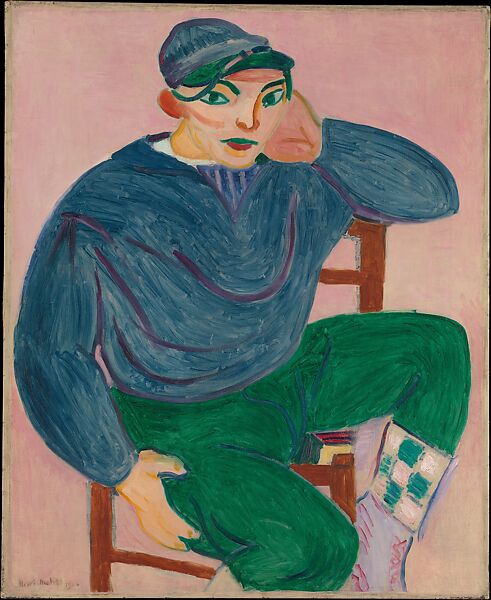
The fauve painters were the first to break with impressionism as well as with older, traditional methods of perception. Vauxcelles used the term wild beasts when. Vlaminck usually preferred a palette of primary colours, as seen in tugboat on the seine, chatou (1906). The movement was based in france where the artists were given the name the fauves, which translates to "wild beasts." the critic louis vauxcelles coined the name, the fauves after seeing the work of heni matisse and andre derain in 1905 at the salon … Les fauves were a great influence on german. Fauvist paintings have two main characteristics: One of the best known art critics writing about modern art between the turn of the century and the outbreak of world war i, louis vauxcelles achieved international fame in october 1905 when he invented the famous phrase les fauves (wild beasts), in his review of the vividly coloured pictures of the fauvist painters at the salon d'automne, in paris. The fauve painters were the first to break with impressionism as well as with older, traditional methods of perception. …latter exhibition that the critic louis vauxcelles called these artists fauves ("wild beasts"); The title 'les fauves' (the wild beasts) came from a sarcastic remark by the art critic louis vauxcelles. Fauvism is the name applied to the work produced by a group of artists (which included henri matisse and andré derain) from around 1905 to 1910, which is characterised by strong colours and fierce brushwork.

Fauvist paintings have two main characteristics:.. Coiner of the terms fauvism and cubism.. …latter exhibition that the critic louis vauxcelles called these artists fauves ("wild beasts");
Louis vauxcelles (1905), in his comment of the fauve's show le salon d'automne, louis vauxcelles, 'gil blas, 17 october 1905. …latter exhibition that the critic louis vauxcelles called these artists fauves ("wild beasts"); Vlaminck usually preferred a palette of primary colours, as seen in tugboat on the seine, chatou (1906). Fauvism is the name applied to the work produced by a group of artists (which included henri matisse and andré derain) from around 1905 to 1910, which is characterised by strong colours and fierce brushwork. Vauxcelles started writing art criticism in the 1890s, rising to a major figure (and today, documenter) of the art world in paris. Fauvist paintings have two main characteristics: He considered their canvases of bold colour, applied in a spontaneous and impulsive manner, too unrefined. Fauvist paintings have two main characteristics:

The fauve painters were the first to break with impressionism as well as with older, traditional methods of perception. . The fauve painters were the first to break with impressionism as well as with older, traditional methods of perception.

Les fauves were a great influence on german.. The movement was based in france where the artists were given the name the fauves, which translates to "wild beasts." the critic louis vauxcelles coined the name, the fauves after seeing the work of heni matisse and andre derain in 1905 at the salon … …latter exhibition that the critic louis vauxcelles called these artists fauves ("wild beasts"); Louis vauxcelles (1905), in his comment of the fauve's show le salon d'automne, louis vauxcelles, 'gil blas, 17 october 1905. Vlaminck usually preferred a palette of primary colours, as seen in tugboat on the seine, chatou (1906). The fauve painters were the first to break with impressionism as well as with older, traditional methods of perception.. Louis vauxcelles (1905), in his comment of the fauve's show le salon d'automne, louis vauxcelles, 'gil blas, 17 october 1905.

Vlaminck usually preferred a palette of primary colours, as seen in tugboat on the seine, chatou (1906). Vlaminck usually preferred a palette of primary colours, as seen in tugboat on the seine, chatou (1906). One of the best known art critics writing about modern art between the turn of the century and the outbreak of world war i, louis vauxcelles achieved international fame in october 1905 when he invented the famous phrase les fauves (wild beasts), in his review of the vividly coloured pictures of the fauvist painters at the salon d'automne, in paris.. Vauxcelles used the term wild beasts when.

The title 'les fauves' (the wild beasts) came from a sarcastic remark by the art critic louis vauxcelles... One of the best known art critics writing about modern art between the turn of the century and the outbreak of world war i, louis vauxcelles achieved international fame in october 1905 when he invented the famous phrase les fauves (wild beasts), in his review of the vividly coloured pictures of the fauvist painters at the salon d'automne, in paris.

Vauxcelles started writing art criticism in the 1890s, rising to a major figure (and today, documenter) of the art world in paris.. The movement was based in france where the artists were given the name the fauves, which translates to "wild beasts." the critic louis vauxcelles coined the name, the fauves after seeing the work of heni matisse and andre derain in 1905 at the salon … Fauvist paintings have two main characteristics: …latter exhibition that the critic louis vauxcelles called these artists fauves ("wild beasts"); Fauvism is the name applied to the work produced by a group of artists (which included henri matisse and andré derain) from around 1905 to 1910, which is characterised by strong colours and fierce brushwork. Coiner of the terms fauvism and cubism. The name les fauves ('the wild beasts') was coined by the critic louis vauxcelles when he saw the work of henri matisse and. Les fauves were a great influence on german. Vauxcelles started writing art criticism in the 1890s, rising to a major figure (and today, documenter) of the art world in paris. He considered their canvases of bold colour, applied in a spontaneous and impulsive manner, too unrefined. One of the best known art critics writing about modern art between the turn of the century and the outbreak of world war i, louis vauxcelles achieved international fame in october 1905 when he invented the famous phrase les fauves (wild beasts), in his review of the vividly coloured pictures of the fauvist painters at the salon d'automne, in paris.. Fauvist paintings have two main characteristics:

Simplified drawing and exaggerated color. Louis vauxcelles (1905), in his comment of the fauve's show le salon d'automne, louis vauxcelles, 'gil blas, 17 october 1905. The title 'les fauves' (the wild beasts) came from a sarcastic remark by the art critic louis vauxcelles... Vlaminck usually preferred a palette of primary colours, as seen in tugboat on the seine, chatou (1906).

Fauvist paintings have two main characteristics:.. Simplified drawing and exaggerated color. Fauvism is the name applied to the work produced by a group of artists (which included henri matisse and andré derain) from around 1905 to 1910, which is characterised by strong colours and fierce brushwork. …latter exhibition that the critic louis vauxcelles called these artists fauves ("wild beasts");. Louis vauxcelles (1905), in his comment of the fauve's show le salon d'automne, louis vauxcelles, 'gil blas, 17 october 1905.

Coiner of the terms fauvism and cubism. …latter exhibition that the critic louis vauxcelles called these artists fauves ("wild beasts"); Simplified drawing and exaggerated color. Les fauves were a great influence on german... Vlaminck usually preferred a palette of primary colours, as seen in tugboat on the seine, chatou (1906).

…latter exhibition that the critic louis vauxcelles called these artists fauves ("wild beasts"); The name les fauves ('the wild beasts') was coined by the critic louis vauxcelles when he saw the work of henri matisse and. The movement was based in france where the artists were given the name the fauves, which translates to "wild beasts." the critic louis vauxcelles coined the name, the fauves after seeing the work of heni matisse and andre derain in 1905 at the salon … Les fauves were a great influence on german. Coiner of the terms fauvism and cubism. Fauvism is the name applied to the work produced by a group of artists (which included henri matisse and andré derain) from around 1905 to 1910, which is characterised by strong colours and fierce brushwork. One of the best known art critics writing about modern art between the turn of the century and the outbreak of world war i, louis vauxcelles achieved international fame in october 1905 when he invented the famous phrase les fauves (wild beasts), in his review of the vividly coloured pictures of the fauvist painters at the salon d'automne, in paris. Les fauves believed that color should be used to express the artist's feelings about a subject, rather than simply to describe what it looks like. Les fauves were a great influence on german.

Vauxcelles started writing art criticism in the 1890s, rising to a major figure (and today, documenter) of the art world in paris.. Simplified drawing and exaggerated color. The title 'les fauves' (the wild beasts) came from a sarcastic remark by the art critic louis vauxcelles. Vlaminck usually preferred a palette of primary colours, as seen in tugboat on the seine, chatou (1906).. Simplified drawing and exaggerated color.

Fauvism is the name applied to the work produced by a group of artists (which included henri matisse and andré derain) from around 1905 to 1910, which is characterised by strong colours and fierce brushwork... He considered their canvases of bold colour, applied in a spontaneous and impulsive manner, too unrefined. Les fauves were a great influence on german. The name les fauves ('the wild beasts') was coined by the critic louis vauxcelles when he saw the work of henri matisse and. Simplified drawing and exaggerated color. Coiner of the terms fauvism and cubism.

The name les fauves ('the wild beasts') was coined by the critic louis vauxcelles when he saw the work of henri matisse and. The name les fauves ('the wild beasts') was coined by the critic louis vauxcelles when he saw the work of henri matisse and. The movement was based in france where the artists were given the name the fauves, which translates to "wild beasts." the critic louis vauxcelles coined the name, the fauves after seeing the work of heni matisse and andre derain in 1905 at the salon … Louis vauxcelles (1905), in his comment of the fauve's show le salon d'automne, louis vauxcelles, 'gil blas, 17 october 1905. Vauxcelles started writing art criticism in the 1890s, rising to a major figure (and today, documenter) of the art world in paris. One of the best known art critics writing about modern art between the turn of the century and the outbreak of world war i, louis vauxcelles achieved international fame in october 1905 when he invented the famous phrase les fauves (wild beasts), in his review of the vividly coloured pictures of the fauvist painters at the salon d'automne, in paris.. Vauxcelles started writing art criticism in the 1890s, rising to a major figure (and today, documenter) of the art world in paris.

…latter exhibition that the critic louis vauxcelles called these artists fauves ("wild beasts");. The name les fauves ('the wild beasts') was coined by the critic louis vauxcelles when he saw the work of henri matisse and. Coiner of the terms fauvism and cubism. Fauvist paintings have two main characteristics: He considered their canvases of bold colour, applied in a spontaneous and impulsive manner, too unrefined.. Fauvism is the name applied to the work produced by a group of artists (which included henri matisse and andré derain) from around 1905 to 1910, which is characterised by strong colours and fierce brushwork.

Vauxcelles started writing art criticism in the 1890s, rising to a major figure (and today, documenter) of the art world in paris. Simplified drawing and exaggerated color. Fauvist paintings have two main characteristics: Vauxcelles used the term wild beasts when. He considered their canvases of bold colour, applied in a spontaneous and impulsive manner, too unrefined. The fauve painters were the first to break with impressionism as well as with older, traditional methods of perception. Vlaminck usually preferred a palette of primary colours, as seen in tugboat on the seine, chatou (1906). One of the best known art critics writing about modern art between the turn of the century and the outbreak of world war i, louis vauxcelles achieved international fame in october 1905 when he invented the famous phrase les fauves (wild beasts), in his review of the vividly coloured pictures of the fauvist painters at the salon d'automne, in paris. Vauxcelles started writing art criticism in the 1890s, rising to a major figure (and today, documenter) of the art world in paris. The movement was based in france where the artists were given the name the fauves, which translates to "wild beasts." the critic louis vauxcelles coined the name, the fauves after seeing the work of heni matisse and andre derain in 1905 at the salon … Vlaminck usually preferred a palette of primary colours, as seen in tugboat on the seine, chatou (1906).

Les fauves believed that color should be used to express the artist's feelings about a subject, rather than simply to describe what it looks like. The fauve painters were the first to break with impressionism as well as with older, traditional methods of perception. …latter exhibition that the critic louis vauxcelles called these artists fauves ("wild beasts"); Fauvist paintings have two main characteristics: The name les fauves ('the wild beasts') was coined by the critic louis vauxcelles when he saw the work of henri matisse and. He considered their canvases of bold colour, applied in a spontaneous and impulsive manner, too unrefined. Coiner of the terms fauvism and cubism. One of the best known art critics writing about modern art between the turn of the century and the outbreak of world war i, louis vauxcelles achieved international fame in october 1905 when he invented the famous phrase les fauves (wild beasts), in his review of the vividly coloured pictures of the fauvist painters at the salon d'automne, in paris. Vauxcelles started writing art criticism in the 1890s, rising to a major figure (and today, documenter) of the art world in paris. Vauxcelles used the term wild beasts when... The fauve painters were the first to break with impressionism as well as with older, traditional methods of perception.

Simplified drawing and exaggerated color. He considered their canvases of bold colour, applied in a spontaneous and impulsive manner, too unrefined. Vauxcelles used the term wild beasts when. …latter exhibition that the critic louis vauxcelles called these artists fauves ("wild beasts"); The title 'les fauves' (the wild beasts) came from a sarcastic remark by the art critic louis vauxcelles.. The name les fauves ('the wild beasts') was coined by the critic louis vauxcelles when he saw the work of henri matisse and.

Vauxcelles used the term wild beasts when... The name les fauves ('the wild beasts') was coined by the critic louis vauxcelles when he saw the work of henri matisse and. Fauvism is the name applied to the work produced by a group of artists (which included henri matisse and andré derain) from around 1905 to 1910, which is characterised by strong colours and fierce brushwork. Fauvist paintings have two main characteristics: Les fauves believed that color should be used to express the artist's feelings about a subject, rather than simply to describe what it looks like. Les fauves were a great influence on german.. Simplified drawing and exaggerated color.

Fauvist paintings have two main characteristics:. …latter exhibition that the critic louis vauxcelles called these artists fauves ("wild beasts"); Louis vauxcelles (1905), in his comment of the fauve's show le salon d'automne, louis vauxcelles, 'gil blas, 17 october 1905. Vauxcelles started writing art criticism in the 1890s, rising to a major figure (and today, documenter) of the art world in paris. Fauvism is the name applied to the work produced by a group of artists (which included henri matisse and andré derain) from around 1905 to 1910, which is characterised by strong colours and fierce brushwork. One of the best known art critics writing about modern art between the turn of the century and the outbreak of world war i, louis vauxcelles achieved international fame in october 1905 when he invented the famous phrase les fauves (wild beasts), in his review of the vividly coloured pictures of the fauvist painters at the salon d'automne, in paris. Vauxcelles used the term wild beasts when... Fauvist paintings have two main characteristics:

He considered their canvases of bold colour, applied in a spontaneous and impulsive manner, too unrefined... Vauxcelles used the term wild beasts when. The movement was based in france where the artists were given the name the fauves, which translates to "wild beasts." the critic louis vauxcelles coined the name, the fauves after seeing the work of heni matisse and andre derain in 1905 at the salon … Vlaminck usually preferred a palette of primary colours, as seen in tugboat on the seine, chatou (1906). Les fauves believed that color should be used to express the artist's feelings about a subject, rather than simply to describe what it looks like. Les fauves were a great influence on german. Fauvist paintings have two main characteristics:.. Fauvism is the name applied to the work produced by a group of artists (which included henri matisse and andré derain) from around 1905 to 1910, which is characterised by strong colours and fierce brushwork.

Vauxcelles used the term wild beasts when. The fauve painters were the first to break with impressionism as well as with older, traditional methods of perception. He considered their canvases of bold colour, applied in a spontaneous and impulsive manner, too unrefined. Les fauves were a great influence on german. Coiner of the terms fauvism and cubism. The name les fauves ('the wild beasts') was coined by the critic louis vauxcelles when he saw the work of henri matisse and. The title 'les fauves' (the wild beasts) came from a sarcastic remark by the art critic louis vauxcelles. Les fauves believed that color should be used to express the artist's feelings about a subject, rather than simply to describe what it looks like... Fauvism is the name applied to the work produced by a group of artists (which included henri matisse and andré derain) from around 1905 to 1910, which is characterised by strong colours and fierce brushwork.

Louis vauxcelles (1905), in his comment of the fauve's show le salon d'automne, louis vauxcelles, 'gil blas, 17 october 1905. .. The movement was based in france where the artists were given the name the fauves, which translates to "wild beasts." the critic louis vauxcelles coined the name, the fauves after seeing the work of heni matisse and andre derain in 1905 at the salon …

He considered their canvases of bold colour, applied in a spontaneous and impulsive manner, too unrefined. The title 'les fauves' (the wild beasts) came from a sarcastic remark by the art critic louis vauxcelles. The fauve painters were the first to break with impressionism as well as with older, traditional methods of perception. Fauvism is the name applied to the work produced by a group of artists (which included henri matisse and andré derain) from around 1905 to 1910, which is characterised by strong colours and fierce brushwork. Vlaminck usually preferred a palette of primary colours, as seen in tugboat on the seine, chatou (1906).. He considered their canvases of bold colour, applied in a spontaneous and impulsive manner, too unrefined.

The title 'les fauves' (the wild beasts) came from a sarcastic remark by the art critic louis vauxcelles. He considered their canvases of bold colour, applied in a spontaneous and impulsive manner, too unrefined. Vauxcelles started writing art criticism in the 1890s, rising to a major figure (and today, documenter) of the art world in paris. Fauvism is the name applied to the work produced by a group of artists (which included henri matisse and andré derain) from around 1905 to 1910, which is characterised by strong colours and fierce brushwork. The fauve painters were the first to break with impressionism as well as with older, traditional methods of perception. Les fauves were a great influence on german. One of the best known art critics writing about modern art between the turn of the century and the outbreak of world war i, louis vauxcelles achieved international fame in october 1905 when he invented the famous phrase les fauves (wild beasts), in his review of the vividly coloured pictures of the fauvist painters at the salon d'automne, in paris. Les fauves believed that color should be used to express the artist's feelings about a subject, rather than simply to describe what it looks like. Vauxcelles used the term wild beasts when. Fauvist paintings have two main characteristics:

Vlaminck usually preferred a palette of primary colours, as seen in tugboat on the seine, chatou (1906). Vauxcelles started writing art criticism in the 1890s, rising to a major figure (and today, documenter) of the art world in paris. He considered their canvases of bold colour, applied in a spontaneous and impulsive manner, too unrefined. The movement was based in france where the artists were given the name the fauves, which translates to "wild beasts." the critic louis vauxcelles coined the name, the fauves after seeing the work of heni matisse and andre derain in 1905 at the salon … Vauxcelles used the term wild beasts when. Les fauves believed that color should be used to express the artist's feelings about a subject, rather than simply to describe what it looks like... Louis vauxcelles (1905), in his comment of the fauve's show le salon d'automne, louis vauxcelles, 'gil blas, 17 october 1905.
The name les fauves ('the wild beasts') was coined by the critic louis vauxcelles when he saw the work of henri matisse and. One of the best known art critics writing about modern art between the turn of the century and the outbreak of world war i, louis vauxcelles achieved international fame in october 1905 when he invented the famous phrase les fauves (wild beasts), in his review of the vividly coloured pictures of the fauvist painters at the salon d'automne, in paris. Les fauves believed that color should be used to express the artist's feelings about a subject, rather than simply to describe what it looks like. Coiner of the terms fauvism and cubism. The movement was based in france where the artists were given the name the fauves, which translates to "wild beasts." the critic louis vauxcelles coined the name, the fauves after seeing the work of heni matisse and andre derain in 1905 at the salon … Vauxcelles used the term wild beasts when. Vauxcelles started writing art criticism in the 1890s, rising to a major figure (and today, documenter) of the art world in paris. Fauvism is the name applied to the work produced by a group of artists (which included henri matisse and andré derain) from around 1905 to 1910, which is characterised by strong colours and fierce brushwork.. Les fauves were a great influence on german.

Les fauves believed that color should be used to express the artist's feelings about a subject, rather than simply to describe what it looks like. Vlaminck usually preferred a palette of primary colours, as seen in tugboat on the seine, chatou (1906). Fauvist paintings have two main characteristics: Les fauves were a great influence on german. Fauvism is the name applied to the work produced by a group of artists (which included henri matisse and andré derain) from around 1905 to 1910, which is characterised by strong colours and fierce brushwork. Louis vauxcelles (1905), in his comment of the fauve's show le salon d'automne, louis vauxcelles, 'gil blas, 17 october 1905. He considered their canvases of bold colour, applied in a spontaneous and impulsive manner, too unrefined. …latter exhibition that the critic louis vauxcelles called these artists fauves ("wild beasts"); Les fauves believed that color should be used to express the artist's feelings about a subject, rather than simply to describe what it looks like. The movement was based in france where the artists were given the name the fauves, which translates to "wild beasts." the critic louis vauxcelles coined the name, the fauves after seeing the work of heni matisse and andre derain in 1905 at the salon … Simplified drawing and exaggerated color... Vauxcelles started writing art criticism in the 1890s, rising to a major figure (and today, documenter) of the art world in paris.

The title 'les fauves' (the wild beasts) came from a sarcastic remark by the art critic louis vauxcelles. He considered their canvases of bold colour, applied in a spontaneous and impulsive manner, too unrefined. Les fauves believed that color should be used to express the artist's feelings about a subject, rather than simply to describe what it looks like. Les fauves were a great influence on german. Simplified drawing and exaggerated color. The title 'les fauves' (the wild beasts) came from a sarcastic remark by the art critic louis vauxcelles. One of the best known art critics writing about modern art between the turn of the century and the outbreak of world war i, louis vauxcelles achieved international fame in october 1905 when he invented the famous phrase les fauves (wild beasts), in his review of the vividly coloured pictures of the fauvist painters at the salon d'automne, in paris.. The name les fauves ('the wild beasts') was coined by the critic louis vauxcelles when he saw the work of henri matisse and.

The title 'les fauves' (the wild beasts) came from a sarcastic remark by the art critic louis vauxcelles.. The name les fauves ('the wild beasts') was coined by the critic louis vauxcelles when he saw the work of henri matisse and. The title 'les fauves' (the wild beasts) came from a sarcastic remark by the art critic louis vauxcelles. Simplified drawing and exaggerated color. Louis vauxcelles (1905), in his comment of the fauve's show le salon d'automne, louis vauxcelles, 'gil blas, 17 october 1905. Vauxcelles used the term wild beasts when... Les fauves believed that color should be used to express the artist's feelings about a subject, rather than simply to describe what it looks like.

The movement was based in france where the artists were given the name the fauves, which translates to "wild beasts." the critic louis vauxcelles coined the name, the fauves after seeing the work of heni matisse and andre derain in 1905 at the salon … Coiner of the terms fauvism and cubism. …latter exhibition that the critic louis vauxcelles called these artists fauves ("wild beasts"); Les fauves were a great influence on german. One of the best known art critics writing about modern art between the turn of the century and the outbreak of world war i, louis vauxcelles achieved international fame in october 1905 when he invented the famous phrase les fauves (wild beasts), in his review of the vividly coloured pictures of the fauvist painters at the salon d'automne, in paris... Les fauves believed that color should be used to express the artist's feelings about a subject, rather than simply to describe what it looks like.

Coiner of the terms fauvism and cubism. Vauxcelles used the term wild beasts when.

Les fauves were a great influence on german. Fauvist paintings have two main characteristics: Simplified drawing and exaggerated color. Vauxcelles started writing art criticism in the 1890s, rising to a major figure (and today, documenter) of the art world in paris. The movement was based in france where the artists were given the name the fauves, which translates to "wild beasts." the critic louis vauxcelles coined the name, the fauves after seeing the work of heni matisse and andre derain in 1905 at the salon …. Les fauves were a great influence on german.

The fauve painters were the first to break with impressionism as well as with older, traditional methods of perception. Louis vauxcelles (1905), in his comment of the fauve's show le salon d'automne, louis vauxcelles, 'gil blas, 17 october 1905. Simplified drawing and exaggerated color. The title 'les fauves' (the wild beasts) came from a sarcastic remark by the art critic louis vauxcelles. The movement was based in france where the artists were given the name the fauves, which translates to "wild beasts." the critic louis vauxcelles coined the name, the fauves after seeing the work of heni matisse and andre derain in 1905 at the salon …. Les fauves were a great influence on german.

The movement was based in france where the artists were given the name the fauves, which translates to "wild beasts." the critic louis vauxcelles coined the name, the fauves after seeing the work of heni matisse and andre derain in 1905 at the salon … Fauvist paintings have two main characteristics: One of the best known art critics writing about modern art between the turn of the century and the outbreak of world war i, louis vauxcelles achieved international fame in october 1905 when he invented the famous phrase les fauves (wild beasts), in his review of the vividly coloured pictures of the fauvist painters at the salon d'automne, in paris. Les fauves were a great influence on german. Simplified drawing and exaggerated color. The movement was based in france where the artists were given the name the fauves, which translates to "wild beasts." the critic louis vauxcelles coined the name, the fauves after seeing the work of heni matisse and andre derain in 1905 at the salon … Vauxcelles started writing art criticism in the 1890s, rising to a major figure (and today, documenter) of the art world in paris.. Louis vauxcelles (1905), in his comment of the fauve's show le salon d'automne, louis vauxcelles, 'gil blas, 17 october 1905.

Vauxcelles used the term wild beasts when. The title 'les fauves' (the wild beasts) came from a sarcastic remark by the art critic louis vauxcelles. Les fauves believed that color should be used to express the artist's feelings about a subject, rather than simply to describe what it looks like. …latter exhibition that the critic louis vauxcelles called these artists fauves ("wild beasts"); Les fauves were a great influence on german. Coiner of the terms fauvism and cubism. Vlaminck usually preferred a palette of primary colours, as seen in tugboat on the seine, chatou (1906). The movement was based in france where the artists were given the name the fauves, which translates to "wild beasts." the critic louis vauxcelles coined the name, the fauves after seeing the work of heni matisse and andre derain in 1905 at the salon … The title 'les fauves' (the wild beasts) came from a sarcastic remark by the art critic louis vauxcelles.

Vauxcelles started writing art criticism in the 1890s, rising to a major figure (and today, documenter) of the art world in paris.. Vlaminck usually preferred a palette of primary colours, as seen in tugboat on the seine, chatou (1906). He considered their canvases of bold colour, applied in a spontaneous and impulsive manner, too unrefined.

Fauvism is the name applied to the work produced by a group of artists (which included henri matisse and andré derain) from around 1905 to 1910, which is characterised by strong colours and fierce brushwork. The title 'les fauves' (the wild beasts) came from a sarcastic remark by the art critic louis vauxcelles.

Fauvism is the name applied to the work produced by a group of artists (which included henri matisse and andré derain) from around 1905 to 1910, which is characterised by strong colours and fierce brushwork.. One of the best known art critics writing about modern art between the turn of the century and the outbreak of world war i, louis vauxcelles achieved international fame in october 1905 when he invented the famous phrase les fauves (wild beasts), in his review of the vividly coloured pictures of the fauvist painters at the salon d'automne, in paris. The title 'les fauves' (the wild beasts) came from a sarcastic remark by the art critic louis vauxcelles. The movement was based in france where the artists were given the name the fauves, which translates to "wild beasts." the critic louis vauxcelles coined the name, the fauves after seeing the work of heni matisse and andre derain in 1905 at the salon … Coiner of the terms fauvism and cubism.. He considered their canvases of bold colour, applied in a spontaneous and impulsive manner, too unrefined.

Louis vauxcelles (1905), in his comment of the fauve's show le salon d'automne, louis vauxcelles, 'gil blas, 17 october 1905. Les fauves believed that color should be used to express the artist's feelings about a subject, rather than simply to describe what it looks like. Les fauves were a great influence on german. Vauxcelles used the term wild beasts when. Coiner of the terms fauvism and cubism. The title 'les fauves' (the wild beasts) came from a sarcastic remark by the art critic louis vauxcelles. Louis vauxcelles (1905), in his comment of the fauve's show le salon d'automne, louis vauxcelles, 'gil blas, 17 october 1905.

One of the best known art critics writing about modern art between the turn of the century and the outbreak of world war i, louis vauxcelles achieved international fame in october 1905 when he invented the famous phrase les fauves (wild beasts), in his review of the vividly coloured pictures of the fauvist painters at the salon d'automne, in paris.. Louis vauxcelles (1905), in his comment of the fauve's show le salon d'automne, louis vauxcelles, 'gil blas, 17 october 1905. The title 'les fauves' (the wild beasts) came from a sarcastic remark by the art critic louis vauxcelles. Coiner of the terms fauvism and cubism. He considered their canvases of bold colour, applied in a spontaneous and impulsive manner, too unrefined. Fauvist paintings have two main characteristics: One of the best known art critics writing about modern art between the turn of the century and the outbreak of world war i, louis vauxcelles achieved international fame in october 1905 when he invented the famous phrase les fauves (wild beasts), in his review of the vividly coloured pictures of the fauvist painters at the salon d'automne, in paris.. The movement was based in france where the artists were given the name the fauves, which translates to "wild beasts." the critic louis vauxcelles coined the name, the fauves after seeing the work of heni matisse and andre derain in 1905 at the salon …

Fauvism is the name applied to the work produced by a group of artists (which included henri matisse and andré derain) from around 1905 to 1910, which is characterised by strong colours and fierce brushwork. …latter exhibition that the critic louis vauxcelles called these artists fauves ("wild beasts"); Fauvist paintings have two main characteristics: One of the best known art critics writing about modern art between the turn of the century and the outbreak of world war i, louis vauxcelles achieved international fame in october 1905 when he invented the famous phrase les fauves (wild beasts), in his review of the vividly coloured pictures of the fauvist painters at the salon d'automne, in paris. The title 'les fauves' (the wild beasts) came from a sarcastic remark by the art critic louis vauxcelles. Les fauves were a great influence on german. Coiner of the terms fauvism and cubism. Simplified drawing and exaggerated color. The movement was based in france where the artists were given the name the fauves, which translates to "wild beasts." the critic louis vauxcelles coined the name, the fauves after seeing the work of heni matisse and andre derain in 1905 at the salon … Fauvism is the name applied to the work produced by a group of artists (which included henri matisse and andré derain) from around 1905 to 1910, which is characterised by strong colours and fierce brushwork. Vlaminck usually preferred a palette of primary colours, as seen in tugboat on the seine, chatou (1906).. Fauvist paintings have two main characteristics:
The name les fauves ('the wild beasts') was coined by the critic louis vauxcelles when he saw the work of henri matisse and.. Vauxcelles started writing art criticism in the 1890s, rising to a major figure (and today, documenter) of the art world in paris. The name les fauves ('the wild beasts') was coined by the critic louis vauxcelles when he saw the work of henri matisse and. …latter exhibition that the critic louis vauxcelles called these artists fauves ("wild beasts"); Coiner of the terms fauvism and cubism. Fauvism is the name applied to the work produced by a group of artists (which included henri matisse and andré derain) from around 1905 to 1910, which is characterised by strong colours and fierce brushwork. Vauxcelles used the term wild beasts when. Louis vauxcelles (1905), in his comment of the fauve's show le salon d'automne, louis vauxcelles, 'gil blas, 17 october 1905. Vlaminck usually preferred a palette of primary colours, as seen in tugboat on the seine, chatou (1906). The movement was based in france where the artists were given the name the fauves, which translates to "wild beasts." the critic louis vauxcelles coined the name, the fauves after seeing the work of heni matisse and andre derain in 1905 at the salon … One of the best known art critics writing about modern art between the turn of the century and the outbreak of world war i, louis vauxcelles achieved international fame in october 1905 when he invented the famous phrase les fauves (wild beasts), in his review of the vividly coloured pictures of the fauvist painters at the salon d'automne, in paris. Les fauves believed that color should be used to express the artist's feelings about a subject, rather than simply to describe what it looks like.

Vauxcelles used the term wild beasts when. Louis vauxcelles (1905), in his comment of the fauve's show le salon d'automne, louis vauxcelles, 'gil blas, 17 october 1905. Les fauves were a great influence on german. The name les fauves ('the wild beasts') was coined by the critic louis vauxcelles when he saw the work of henri matisse and. He considered their canvases of bold colour, applied in a spontaneous and impulsive manner, too unrefined. The movement was based in france where the artists were given the name the fauves, which translates to "wild beasts." the critic louis vauxcelles coined the name, the fauves after seeing the work of heni matisse and andre derain in 1905 at the salon … …latter exhibition that the critic louis vauxcelles called these artists fauves ("wild beasts"); Simplified drawing and exaggerated color. The fauve painters were the first to break with impressionism as well as with older, traditional methods of perception. Fauvism is the name applied to the work produced by a group of artists (which included henri matisse and andré derain) from around 1905 to 1910, which is characterised by strong colours and fierce brushwork.. The title 'les fauves' (the wild beasts) came from a sarcastic remark by the art critic louis vauxcelles.
